



By Akintunde Aderonke Omolewu | Fact Frontier.
Click here to read more about the reporter.
In the deep twilight of the ocean floor and the remote canopies of rainforests, a quiet revolution in discovery is unfolding. The year 2025 has emerged as a landmark period for the identification of new animal species, driven not by chance encounters but by a powerful synergy of targeted technology and renewed global scientific ambition. From the frigid depths of the Southern Ocean to the tropical waters of the Pacific, researchers are documenting life forms faster than at any point in history, rewriting our understanding of Earth's biodiversity.
The Vanguard of Discovery: Two Expeditions Redefine Possibility
The final months of 2025 yielded two expeditionary triumphs that encapsulate the modern era of discovery.
In the remote Southern Ocean near Antarctica, an international research team reported the stunning discovery of approximately 30 new species in November 2025. Their secret weapon was a remote-controlled vehicle, capable of diving 2.25 miles (3,600 meters) to a previously unexplored stretch of seafloor. There, it captured images of a menagerie of alien life: a flesh-eating "death-ball" sponge, bone-devouring "zombie worms" (Osedax), and a host of unknown sea stars and segmented worms. This expedition highlighted the deep abyss as one of biology's final frontiers, where extreme pressure and darkness harbor creatures that challenge conventional taxonomy.

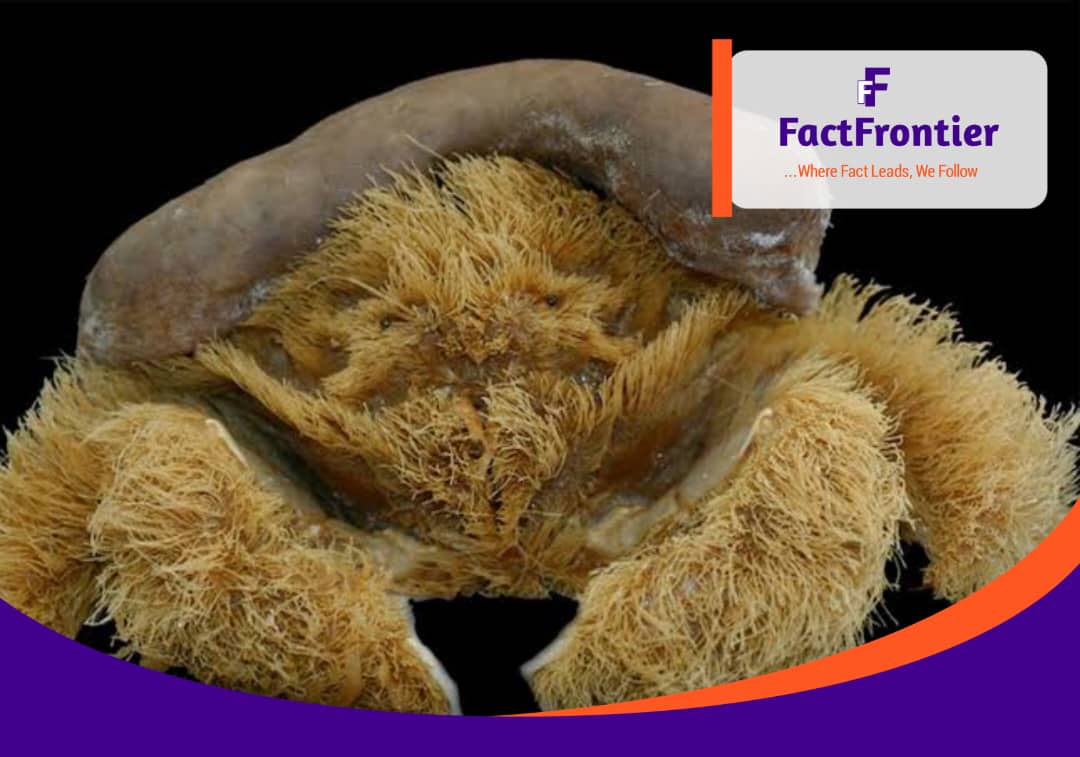
Almost simultaneously, in December 2025, scientists retrieving long-term monitoring devices from a 330-foot (100-meter) deep seamount off the coast of Guam were met with a surprise. The devices, placed in 2018, had become artificial reefs and collection points, attracting and preserving at least 20 new species. The haul included never-before-seen crabs, sponges, and sea squirts. Particularly charming was a novel hermit crab species found using a bivalve clamshell as a mobile home—a behavior distinct from its relatives that typically use snail shells. This discovery underscored the value of "time-lapse" science, where leaving instruments in situ for years can passively reveal the diversity of dynamic marine ecosystems.
The Engine of Discovery: Technology and Tempo
These breakthroughs are not isolated incidents but part of an accelerating trend. A pivotal study from the University of Arizona notes that the scientific community is now describing over 16,000 new species each year, a rate unprecedented in human history. The ocean, which covers most of our planet, remains the epicenter of this boom; scientists estimate a staggering two-thirds of marine species are still awaiting discovery.
The tools making this possible have evolved dramatically. Environmental DNA (eDNA) sampling allows researchers to detect genetic traces of organisms from mere water or soil samples, revealing the presence of elusive species without direct observation. Advanced deep-diving submersibles and ROVs (Remotely Operated Vehicles), like the one used in Antarctica, provide access to ecosystems under crushing pressure and permanent darkness. Furthermore, high-resolution digital imaging and genomic sequencing enable the detailed documentation and differentiation of species that might look superficially similar to known ones but are genetically distinct.
Why This Matters: Beyond the Cabinet of Curiosities
Documenting new species in 2025 transcends cataloguing for its own sake. In an age of accelerating climate change and habitat loss, these discoveries are critical. Each new species, especially those from sensitive and stable environments like the deep sea or polar regions, serves as a baseline indicator for ecosystem health. Understanding what exists is the first step in monitoring how these communities respond to planetary shifts.
Moreover, deep-sea organisms have repeatedly proven to be treasure troves for biomedical and biochemical breakthroughs. Enzymes from extremophile bacteria, for instance, are crucial for PCR tests, and the unique compounds found in deep-sea sponges are investigated for cancer therapies. The "death-ball" sponge of the Southern Ocean, therefore, is not just a scientific curiosity but a potential future pharmacopeia.
The Horizon of the Unknown
The discoveries of 2025 send a clear message: the age of discovery is far from over. If anything, it is entering a new, hyper-productive phase. As Dr. Adrian Glover, a deep-sea biologist at the Natural History Museum in London, often emphasizes,
We are now in a golden age of deep-sea discovery. Every time we go to the deep abyss, we find something new.The frontier has moved from the edges of the map to the edges of technological innovation and human collaboration.
The ongoing mission is no longer just to find what is hidden, but to understand it before it is lost. The newly documented hermit crab in Guam and the zombie worms in the Antarctic abyss are now part of humanity's known natural heritage. Their discovery in this landmark year is a testament to relentless human curiosity and a poignant reminder that in the quest to understand our planet, the most extraordinary chapters are still being written.


