
By Abdulraheem Kawthar Adenike | Fact Frontier.
Click here to read more about the reporter.
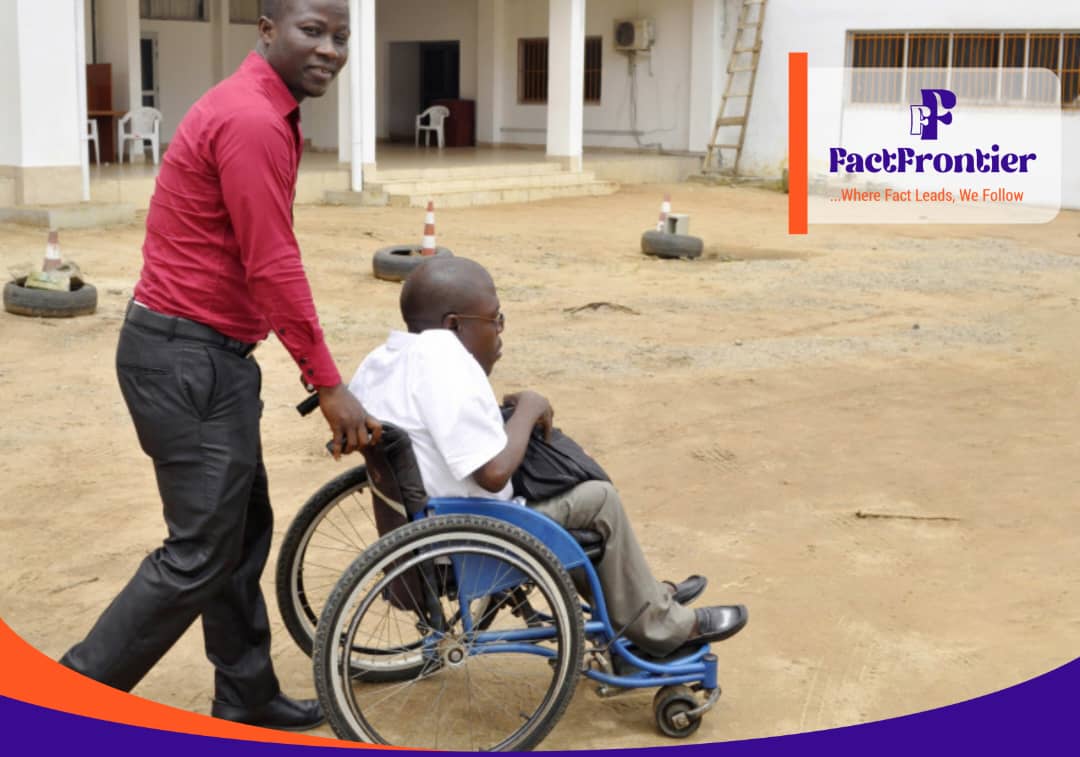
In the dynamic landscape of Nigerian social advocacy, the persistent and powerful calls for empowerment from the community of Persons with Disabilities (PWDs) have reached a pivotal moment. For years, these calls echoed, demanding the full realization of rights guaranteed by law. In a significant turn of events, the Nigerian government, through its dedicated agencies, has orchestrated a formal and high-level response: the 2025 National Disability Summit, scheduled for October 29-30 in Abuja. This event marks a critical juncture in the nation's journey toward genuine inclusion.
The Unwavering Call: A Community Advocating for Itself
The backdrop to this summit is a long history of advocacy. The passage of the Discrimination Against Persons with Disabilities (Prohibition) Act in 2018 was a landmark victory, legally prohibiting discrimination and enshrining rights to access, education, and employment. However, the transition from law on paper to change on the ground has been frustratingly slow.
As of early 2025, reports indicated that a significant number of Nigeria's 36 states had yet to fully domesticate and implement the Act. This legislative gap created a patchwork of protection, leaving many PWDs without recourse. Advocacy groups like the Cedar Seed Foundation and the Albinism Association of Nigeria have consistently highlighted specific barriers. They have stressed
the need for a dedicated budget for children with disabilities in the education sectorand called for "inclusive climate and health policies." Their message is clear: legal frameworks are meaningless without funded, actionable implementation.

The five-year grace period for compliance with the 2018 Act expired in January 2024, adding urgency to these calls. The disability community has not been silent; they have been strategic, vocal, and unwavering in their demand for the empowerment and inclusion they are legally owed.
The Government's Formal Response: The 2025 National Disability Summit
In direct response to this sustained advocacy, the National Commission for Persons with Disabilities (NCPWD), in collaboration with the Federal Ministry of Humanitarian Affairs and Poverty Alleviation, is convening the 2025 National Disability Summit. Scheduled for October 29-30, 2025, this event is designed to be more than a talking shop; it is framed as a platform for actionable change.
The summit’s agenda is built around several key objectives aimed at translating advocacy into policy. According to the NCPWD, a central goal is to
deepen the discussion on inclusive policies and showcase progress on global commitments.This involves preparing a cohesive national position for upcoming international forums, ensuring that Nigeria's pledges on the global stage are backed by domestic action.
Perhaps the most anticipated outcome of the summit is the planned launch of a new operational framework: the National Forum for Directors and Coordinators of Disability Affairs (NAFDCA). This body is envisioned as a crucial mechanism for ensuring that disability rights policies are not just created at the federal level but are effectively coordinated and implemented across all states and local governments.
Building on a Foundation: Pre-Summit Government Actions
The October summit is not an isolated event but the culmination of months of government activity. In February 2025, the NCPWD convened a high-level stakeholder meeting specifically to set Nigeria's agenda for the 2025 Global Disability Summit. This preparatory meeting was a clear signal that the government is attempting to approach international commitments with a more structured and consultative strategy.
Furthermore, the federal government has been activating inter-ministerial channels to bolster its efforts. For instance, in late 2024, the Federal Ministry of Information and National Orientation inaugurated an Inter-Ministerial Committee on Disability Rights. The committee's mandate is to ensure a unified government approach to promoting the rights of PWDs and the provisions of the 2018 Act, indicating a recognition that disability inclusion is a cross-cutting issue, not the sole responsibility of one ministry.
A Cautiously Optimistic Outlook
The convening of the 2025 National Disability Summit is a definitive and commendable response from the Nigerian government. It acknowledges the legitimacy of the demands made by the disability community and provides a formal arena to address them. The focus on coordination through NAFDCA directly tackles one of the biggest historical challenges: the implementation gap between federal law and state-level action.
However, advocates and citizens alike are watching with cautious optimism. The true measure of success for the October 29-30 summit will not be in the speeches delivered or the documents signed, but in the tangible outcomes that follow. Will the NAFDCA become a functional, powerful driver of change? Will the discussions lead to specific, funded, and time-bound action plans?
The calls for empowerment have been heard. The government has responded with a platform for dialogue. The hope now is that this dialogue will ignite a new chapter of actionable inclusion, turning the promises of the 2018 Act into a lived reality for millions of Nigerians living with disabilities.