



By Abdulahmeed Abdulrozaq Bilal | Fact Frontier.
Click here to read more about the reporter.
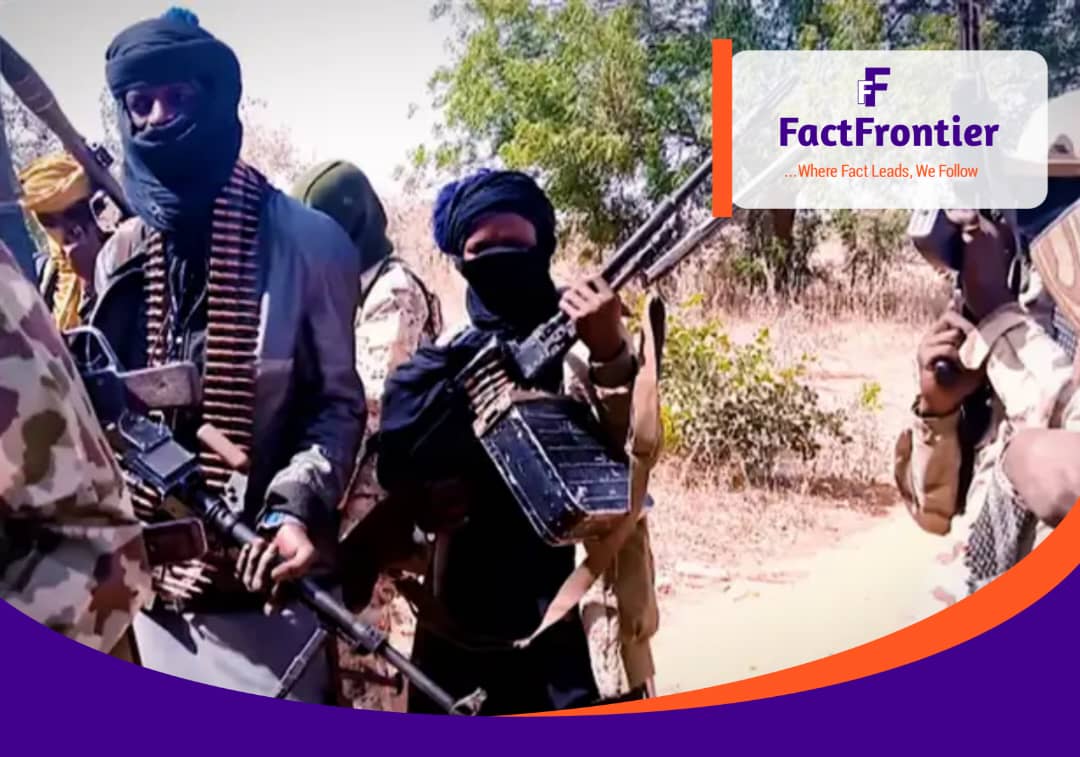
In a stark illustration of the ongoing security crisis in northwestern Nigeria, armed bandits have imposed an ₦8 million levy on Kaya village in Maradun Local Government Area. The demand, issued on Tuesday, December 23, 2025, is a direct reprisal for the killing of a prominent bandit commander, Isuhu Buzu, during a recent security operation.
The threat has thrown the rural community into a state of fear and desperation, with residents appealing to state authorities for immediate intervention and protection from potential violent backlash.
The Ultimatum and a Community's Plea
According to reports from credible national news sources, the bandits delivered the financial ultimatum to the residents of Kaya, giving them no clear option for refusal. SaharaReporters confirmed the levy, stating the demand was
for the killing of a bandit commander, Isuhu Buzu.The report detailed that the imposed sum is specifically an ₦8 million levy as a punitive measure for the commander's death.

The Catalyst: Death of a Bandit Commander
The levy finds its roots in a significant security incident earlier in December. Isuhu Buzu, identified as a notorious bandit leader operating within the Maradun axis, was reportedly killed during a joint security operation. His death was considered a major victory for security forces battling entrenched criminal groups in the region.
However, this success has now precipitated a severe crisis for Kaya village. The bandits, seeking both retribution and to assert continued dominance, have transferred the cost of their loss onto the local populace. This tactic of collective punishment is a common feature of the bandit insurgency, designed to intimidate communities and dissuade cooperation with security agencies.
A Persistent Pattern of Extortion
The extortion of Kaya village is not an isolated event but part of a widespread and systemic economic strategy employed by bandit groups across Zamfara and neighboring states. These non-state armed groups have effectively established parallel taxation systems, imposing levies on villages, farmers, and travelers. The funds generated fuel their criminal enterprises, including arms procurement and logistics, thereby perpetuating the cycle of violence.
While the demand on Kaya is specific to December 2025, it mirrors numerous other incidents where communities have been forced to pay sums ranging from millions to hundreds of millions of naira. Failure to comply typically results in violent raids, kidnappings for ransom, arson, and sometimes mass killings. This environment has devastated the agrarian economy of the northwest, forcing thousands to flee their homes and farms.
Silence from the Authorities and a Deepening Crisis
As of today December 2025, there has been no widely reported official statement from the Zamfara State Government or the police command specifically addressing the ultimatum delivered to Kaya village. This silence, whether tactical or incidental, leaves the residents in a perilous limbo. The absence of a publicized, decisive security response to such direct threats underscores the challenges faced by the state in securing every vulnerable community.
The situation in Kaya presents a microcosm of the broader security dilemma: successful kinetic actions against bandit leaders can inadvertently trigger retaliatory measures against civilians. It highlights the need for a coordinated strategy that not only targets criminal elements but also proactively provides and guarantees safety for communities in the immediate aftermath of such operations.
Conclusion: A Village in the Crosshairs
As December 2025 draws to a close, the residents of Kaya village remain under the shadow of an ₦8 million ransom demand, a price tag placed on their lives and safety for an event outside their control. The incident starkly exposes the brutal economy of banditry, where human security is the primary currency.
The appeal from Kaya's residents is a cry for help that echoes across many similarly besieged communities in Nigeria's northwest. Their fate hangs in the balance, contingent on the timely and effective response of a state apparatus struggling to contain a multifaceted security crisis. The coming days will reveal whether this plea is answered or if another community is added to the long list of those scarred by the region's instability.


