



By Festus Damilare Ukolo | Fact Frontier.
Click here to read more about the reporter.
They answered the call. They stood on the front lines in Borno, Sambisa, and the Middle Belt, facing terror so we could sleep in peace. They came home not to parades, but to pain; not to honors, but to an endless, silent struggle that their nation seems determined to forget. This is not a story of war, but of its aftermath—a tragic tale of how Nigeria’s bravest are being failed in their darkest hour.
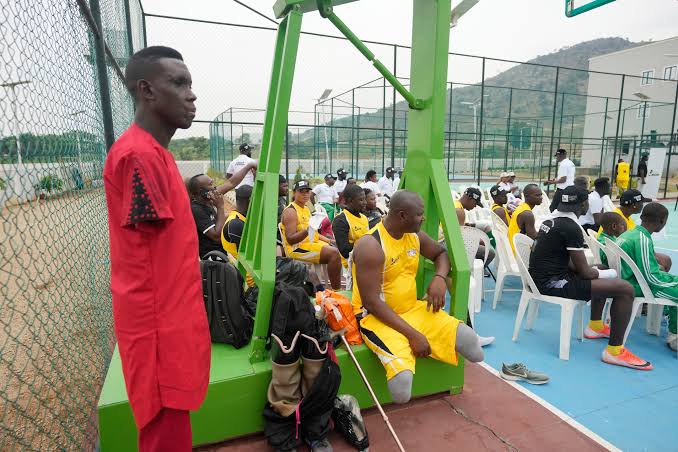
We speak of heroes in past tense, but their battles are lifelong. Imagine, for a moment, a soldier who lost his legs to an IED in Bama. The bomb’s echo fades, the headlines move on, but his reality is a perpetual cycle of pain, dwindling hope, and bureaucratic silence. He is told of a “Soldier First” policy, of a modernized Invictus Care Centre. Yet, in a heartbreaking betrayal, many of his comrades are reportedly forced to “use their own money for medical treatment” due to systemic welfare failures, as documented in soldier complaints circulating widely online. Where is the “first” in that?
The federal government points to structures: a Group Life Insurance Scheme, a Veterans Databank, annual Armed Forces Remembrance Day pledges that ring with solemn promise. Yet, the chilling truth whispers through the cracks of these systems. A Reuters report in 2023 laid bare a foundational injustice:
poor wages and inadequate equipment have plagued Nigeria's fight against insurgents,creating a pipeline of casualties who are underpaid and undervalued from the start. How can a soldier shattered in service, who was paid a pittance to risk everything, possibly navigate the costly journey of lifelong disability?

Related news:
• Nigerian Air Force neutralised over dozens of terrorists in Borno.
The emotional crux of this tragedy is the gap between ceremony and care. Every January, dignatories in polished uniforms lay wreaths and speak of “immortal sacrifice.” But what of the living sacrifice? Widows and veterans plead for support “beyond ceremonial events,” a cry for sustained help that falls on ears deafened by complacency. The compensation, when it comes, is often described as a “token,” a sum that cannot reclaim a limb, restore sight, or soothe a mind haunted by the trauma of combat.
Perhaps the most devastating criticism is the alleged corruption that starves the very systems meant to heal. Billions of Naira vanish into the opaque void of security budgets. This isn’t just stealing money; it’s stealing mobility from an amputee, it’s stealing therapy from a soldier battling PTSD, it’s stealing dignity from a family whose breadwinner can no longer work. As one security analyst starkly put it, this diversion of funds leads directly to “inadequate equipment, outdated weaponry, and preventable casualties.” Every stolen naira is a potential injury waiting to happen, and a wounded soldier left without a safety net.
The conversation we must have, heart to heart, is this: what does our nation’s soul owe to those who broke their bodies for its peace? To hear a soldier say, “The country has abandoned me,” as some have to journalists, is a moral indictment far greater than any insurgent’s bullet. It speaks of a covenant broken.
Yes, policies exist on paper. But policy does not change a colostomy bag. Policy does not hold a trembling veteran through a nightmare. Policy, without the unwavering will to implement it, is just empty words echoing in the halls of power, far from the dim, lonely rooms where real heroes fight their hardest battles—against neglect, poverty, and the agonizing feeling that their country has moved on.
The treatment of our wounded soldiers is the truest measure of our national character. Today, that measure reads as a tragic story of promises made and promises broken, of valor met with vacancy, and of a debt that remains painfully, unforgivably unpaid. They gave their all. We, as a nation protected by their sacrifice, must demand better. Not just with solemn speeches, but with relentless action, adequate funding, and a love that matches their own—fierce, loyal, and enduring. Until then, the silence of their suffering will remain our loudest national shame. Do they really deserve this?


